Article Summary: This article explains the working principles, core components, performance advantages, and practical applications of SWAFLY diesel engines. It also addresses common customer challenges such as fuel efficiency, maintenance complexity, and operational reliability in demanding environments. The goal is to help buyers and operators make informed decisions when selecting diesel engine solutions provided by SWAFLY MACHINERY CO.,LIMITED.
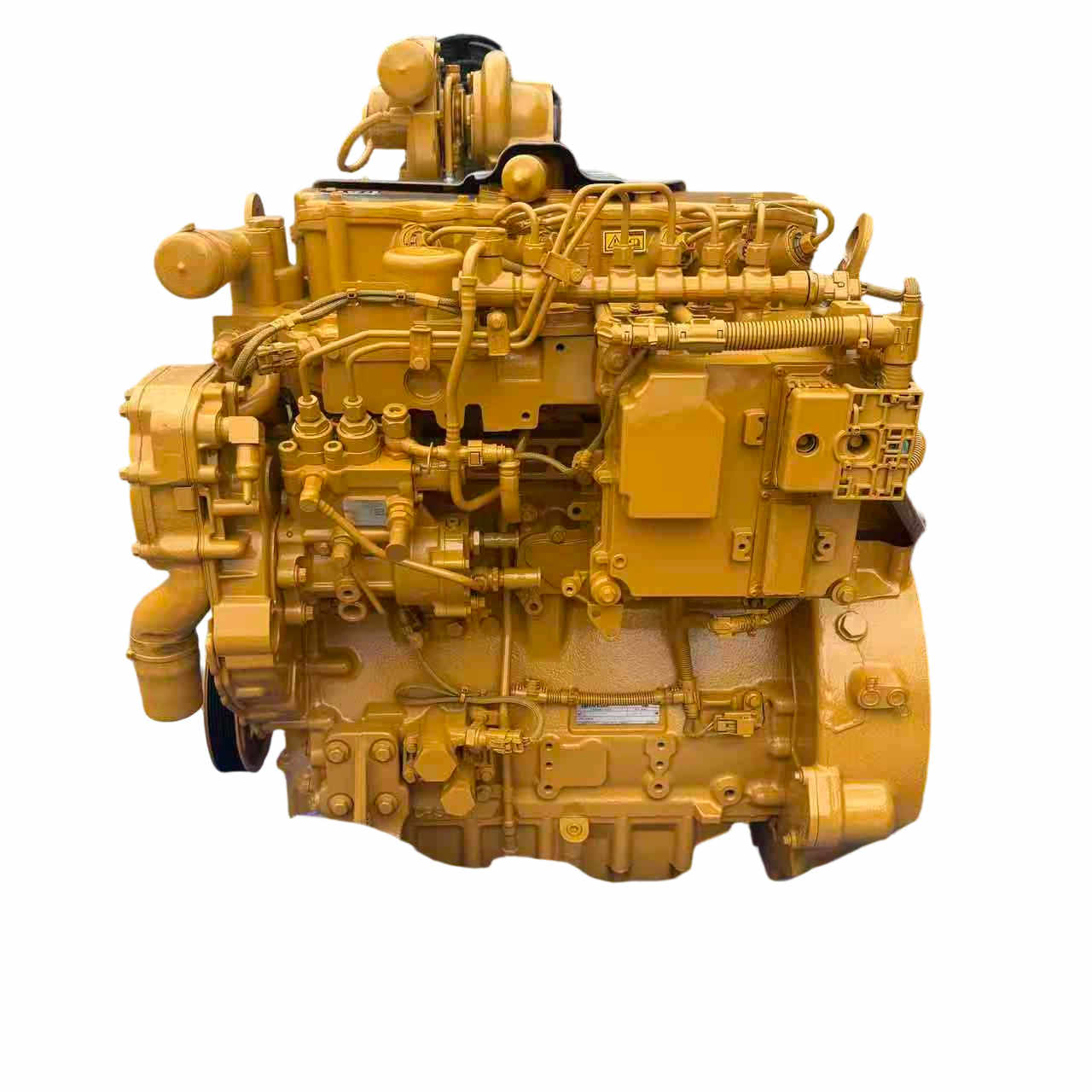
1. Overview of SWAFLY Diesel Engines
SWAFLY diesel engines are engineered to deliver high torque output, fuel efficiency, and long operational lifespan across industrial, agricultural, marine, and construction applications. Designed by SWAFLY MACHINERY CO.,LIMITED, these engines are built with a focus on durability under extreme working conditions where continuous load performance is critical.
Unlike standard gasoline engines, diesel engines rely on compression ignition, which allows them to achieve higher thermal efficiency and improved fuel economy. SWAFLY engines integrate advanced fuel injection systems and optimized combustion chambers to ensure stable performance even in variable load environments.
2. Core Working Principle
The operation of SWAFLY diesel engines is based on the compression ignition cycle. Air is drawn into the cylinder and compressed to a high temperature. Diesel fuel is then injected directly into the combustion chamber, where it ignites due to the heat of compressed air.
-
Intake Stroke: Air enters the cylinder through the intake valve.
-
Compression Stroke: Air is compressed, raising temperature significantly.
-
Power Stroke: Fuel injection occurs and combustion generates power.
-
Exhaust Stroke: Burned gases are expelled from the cylinder.
This cycle allows SWAFLY diesel engines to generate higher torque at lower RPM, making them ideal for heavy-duty applications.
3. Key Components Explained
Understanding the structure of SWAFLY diesel engines helps users identify performance behavior and maintenance needs. Below are the core components:
|
Component
|
Function
|
Importance
|
|
Fuel Injection System
|
Delivers precise fuel quantities into the combustion chamber
|
Ensures combustion efficiency and reduces fuel waste
|
|
Turbocharger
|
Compresses incoming air for higher oxygen density
|
Improves power output and engine efficiency
|
|
Crankshaft
|
Converts linear motion into rotational energy
|
Drives mechanical output
|
|
Cooling System
|
Regulates engine temperature
|
Prevents overheating under heavy load
|
|
Air Intake System
|
Filters and delivers clean air
|
Protects engine from contaminants
|
4. Performance Advantages
SWAFLY diesel engines are designed to meet the expectations of industries requiring reliability and efficiency. Key advantages include:
-
High Fuel Efficiency: Lower fuel consumption compared to gasoline engines under similar load conditions.
-
Strong Torque Output: Ideal for heavy machinery and continuous operation.
-
Extended Service Life: Reinforced engine blocks and components reduce wear.
-
Operational Stability: Maintains consistent performance under fluctuating loads.
-
Adaptability: Suitable for construction, agriculture, marine, and power generation systems.
These advantages make SWAFLY engines a preferred choice for operators requiring dependable power systems.
5. Industrial Applications
SWAFLY diesel engines are widely used across multiple sectors due to their durability and efficiency.
-
Construction machinery such as excavators, loaders, and bulldozers
-
Agricultural equipment including tractors and irrigation systems
-
Marine propulsion systems for small and medium vessels
-
Power generators for backup and continuous energy supply
-
Industrial pumps and compressors in remote operations
These engines are especially valuable in environments where electrical infrastructure is limited or unstable.
6. Maintenance Challenges and Solutions
Although SWAFLY diesel engines are robust, proper maintenance is essential to ensure long-term reliability. Common challenges include fuel contamination, overheating, and filter clogging.
-
Fuel Quality Management: Use clean diesel and replace filters regularly.
-
Cooling System Checks: Inspect coolant levels and radiator condition frequently.
-
Lubrication Control: Ensure correct oil grade and change intervals.
-
Air Filter Maintenance: Prevent dust buildup in harsh environments.
Following a structured maintenance schedule significantly improves engine lifespan and reduces downtime.
7. Selection Guide and Comparison Table
Choosing the right SWAFLY diesel engine depends on application requirements, power output, and environmental conditions.
|
Engine Type
|
Power Range
|
Best Use Case
|
Fuel Efficiency
|
|
Light-duty Diesel Engine
|
10–50 HP
|
Small agricultural machines
|
High
|
|
Medium-duty Diesel Engine
|
50–150 HP
|
Construction and industrial pumps
|
Very High
|
|
Heavy-duty Diesel Engine
|
150–500+ HP
|
Marine and large generators
|
Optimized for load efficiency
|
8. Common Operational Issues
Users may encounter several operational challenges during engine lifecycle. Understanding these issues helps in preventive maintenance:
-
Difficulty in cold starting under low temperatures
-
Excessive smoke due to incomplete combustion
-
Reduced power output from clogged fuel injectors
-
Overheating caused by coolant system inefficiency
-
Vibration caused by misalignment or worn components
Most of these issues can be minimized through routine inspection and timely servicing.
9. Frequently Asked Questions
Q1: What makes SWAFLY diesel engines different from standard diesel engines?
A1: SWAFLY engines are designed with enhanced fuel injection precision, reinforced structural components, and optimized combustion systems for higher efficiency and durability.
Q2: How often should maintenance be performed?
A2: Basic maintenance should be conducted every 250–500 operating hours depending on workload intensity and environmental conditions.
Q3: Can SWAFLY diesel engines operate continuously for long periods?
A3: Yes, they are engineered for continuous-duty operation with proper cooling and lubrication systems supporting extended runtime.
Q4: Are these engines suitable for harsh environments?
A4: Yes, they are widely used in construction sites, marine environments, and remote industrial operations due to their robust build quality.
10. Conclusion and Contact Information
SWAFLY diesel engines provide a reliable and efficient power solution for a wide range of industrial applications. Their combination of high torque output, fuel efficiency, and structural durability makes them a strong choice for demanding operational environments.
Manufactured and supported by SWAFLY MACHINERY CO.,LIMITED, these engines are built to deliver long-term performance value and operational stability across multiple sectors.
For detailed specifications, technical consultation, or procurement support, please contact SWAFLY MACHINERY CO.,LIMITED today and explore tailored diesel engine solutions for your business needs.